Blog
Pool chemistry guides, treatment plans, and maintenance tips for every pool owner.
Convert your pool to saltwater - full guide
Install a salt chlorine generator, dissolve 200-300 lbs of pool salt per 10,000 gallons, raise CYA to 60-80 ppm, and watch chemistry for 4-6 weeks.
Pool Water Chemistry: The Balancing Guide
Pool chemistry has 5 numbers that matter. Adjust alkalinity first, then pH, then chlorine. Here is every target range, dosage, and the exact order to follow.
Pool Algae: How to Kill Green, Yellow, and Black Algae
Pool algae comes in three forms — green, yellow, and black — each requiring different treatment. Chlorine shock at the right level for your CYA kills algae; algaecide alone does not.
Pool Chemical Calculator Guide: The 5 Numbers That Matter
A complete guide to pool water chemistry. Learn the 5 key parameters every pool owner must understand — FC, pH, TA, CH, and CYA — and how they interact.
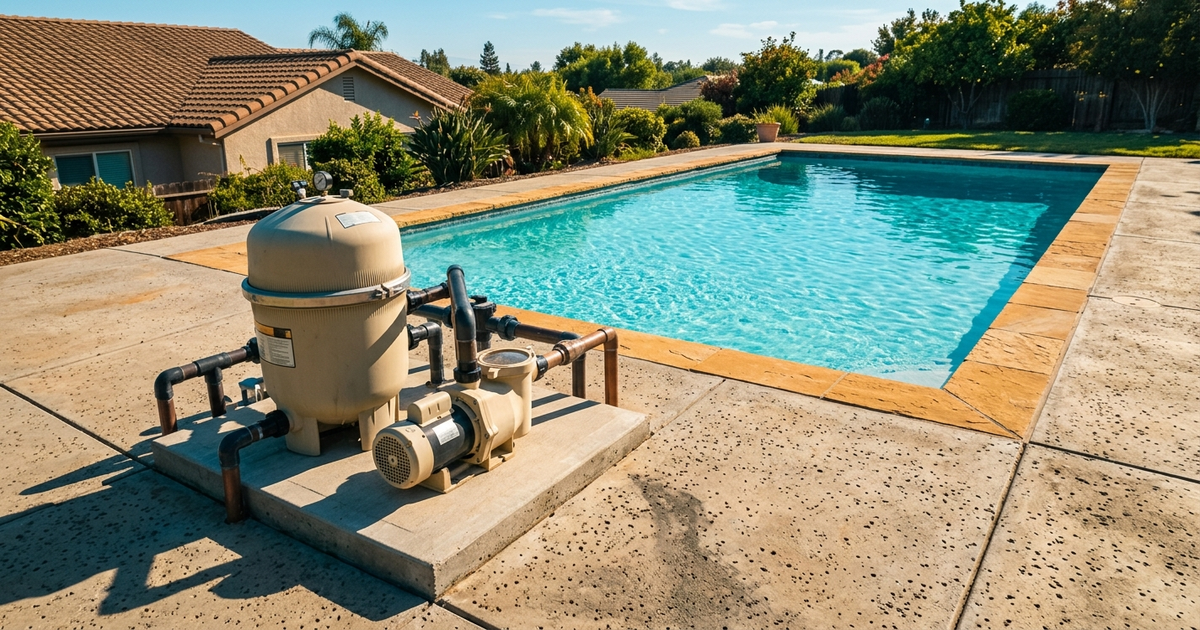
Pool filter cleaning - sand, cartridge, and DE
Clean your pool filter when pressure climbs 8-10 psi above baseline. Sand filters get backwashed, cartridge filters get hosed, DE filters get recharged.
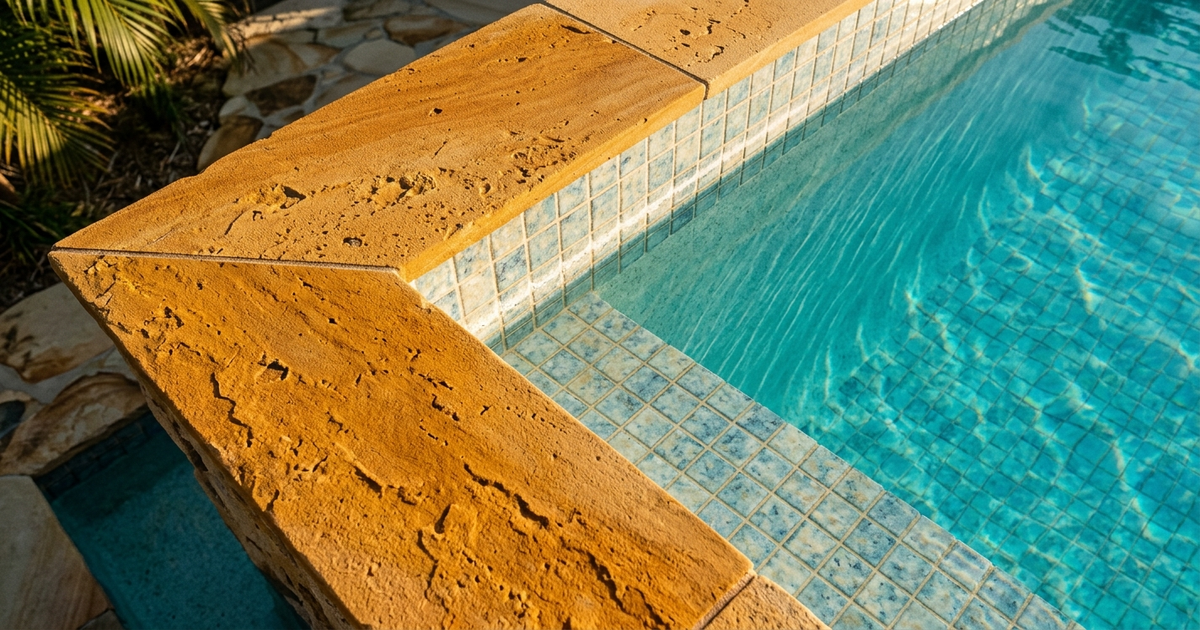
Pool Calcium Hardness: How to Test, Raise, and Lower It
Calcium hardness should sit between 200 and 400 ppm for most pools. Too low and your plaster dissolves; too high and you get white scale on tile, heater coils, and salt cells.
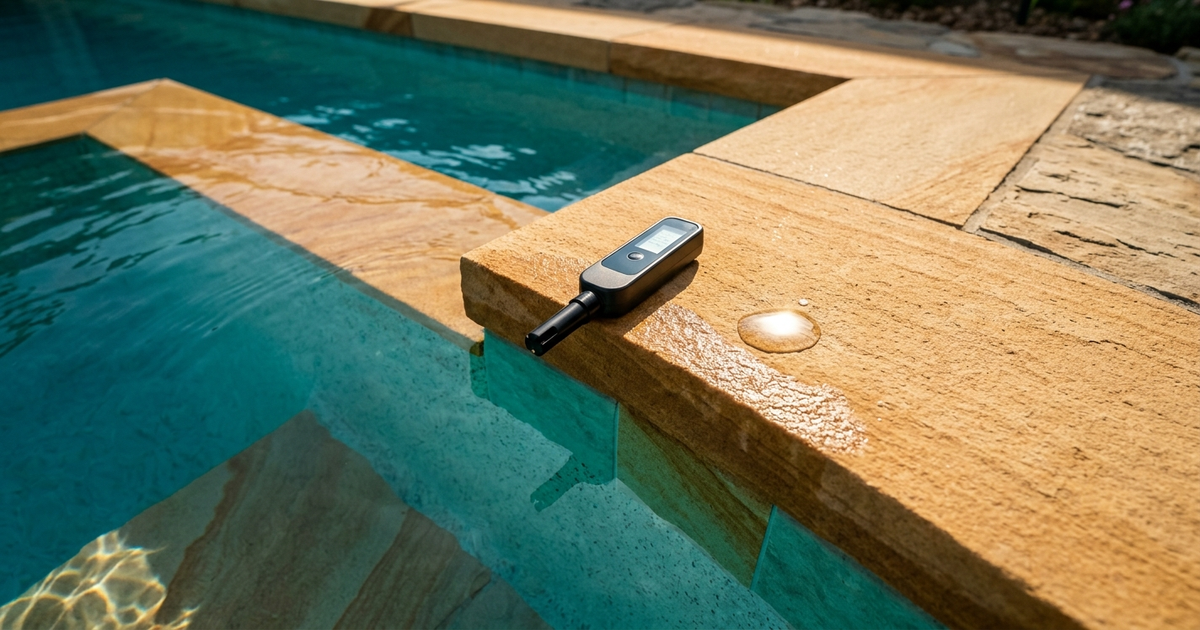
Digital pool water testers - are they worth it?
Digital pool water testers read free chlorine and pH within 5% of a Taylor K-2006, but most struggle on CYA and none tell you how much chemical to add next.
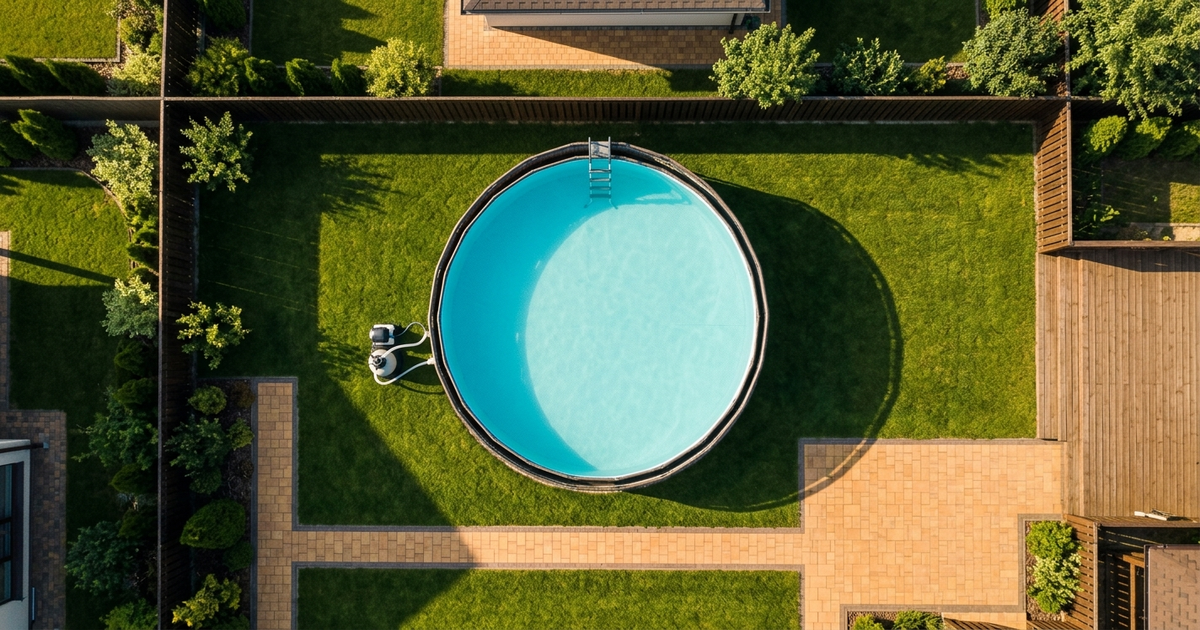
Above ground pool maintenance - what is different
Above ground pools use the same chemistry as in-ground, but smaller volume and vinyl liners change the dosing and equipment rules. Never drain fully.
Cloudy Pool Water: How to Diagnose and Fix It
Cloudy pool water is usually caused by low chlorine, high pH, or a dirty filter — not a clarifier deficiency. Diagnose the actual cause, then fix it with exact dosages.
How to Raise Alkalinity in a Pool
Add 1.5 lbs of baking soda per 10,000 gallons to raise pool alkalinity by 10 ppm. Step-by-step dosing guide with exact amounts and wait times.
Pool pH: How to Lower It, Raise It, and Keep It Balanced
To lower pool pH, add 12–16 oz of muriatic acid per 10,000 gallons to drop from 7.8 to 7.4. To raise it, add 6 oz of soda ash. The real fix for drifting pH is getting alkalinity right.
Pool Shock Treatment: When, How, and How Much
Shock your pool when chlorine demand exceeds normal dosing — not weekly. Learn the triggers, choose the right shock type, and calculate exact amounts by pool size and CYA level.
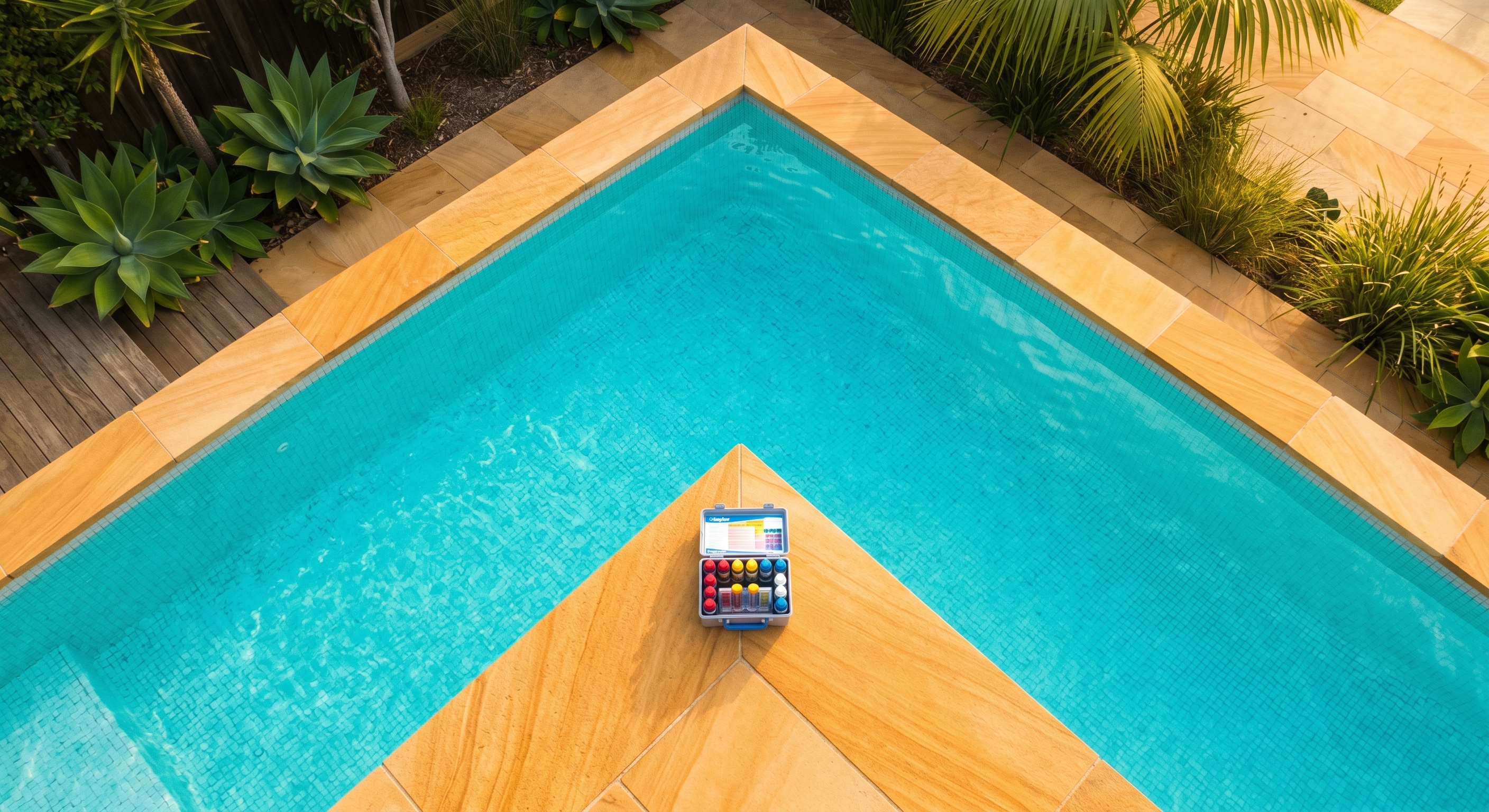
Pool Test Strips: How to Read Them and When They Lie
Pool test strips give a rough estimate, not a precise reading. Learn correct technique, common failure modes, and when to upgrade to a liquid test kit.
CYA and Chlorine: Why Your Pool Store Gets It Wrong
CYA protects chlorine from sunlight but also reduces its killing power. Learn how the CYA-chlorine ratio works and why generic chlorine targets are dangerous.
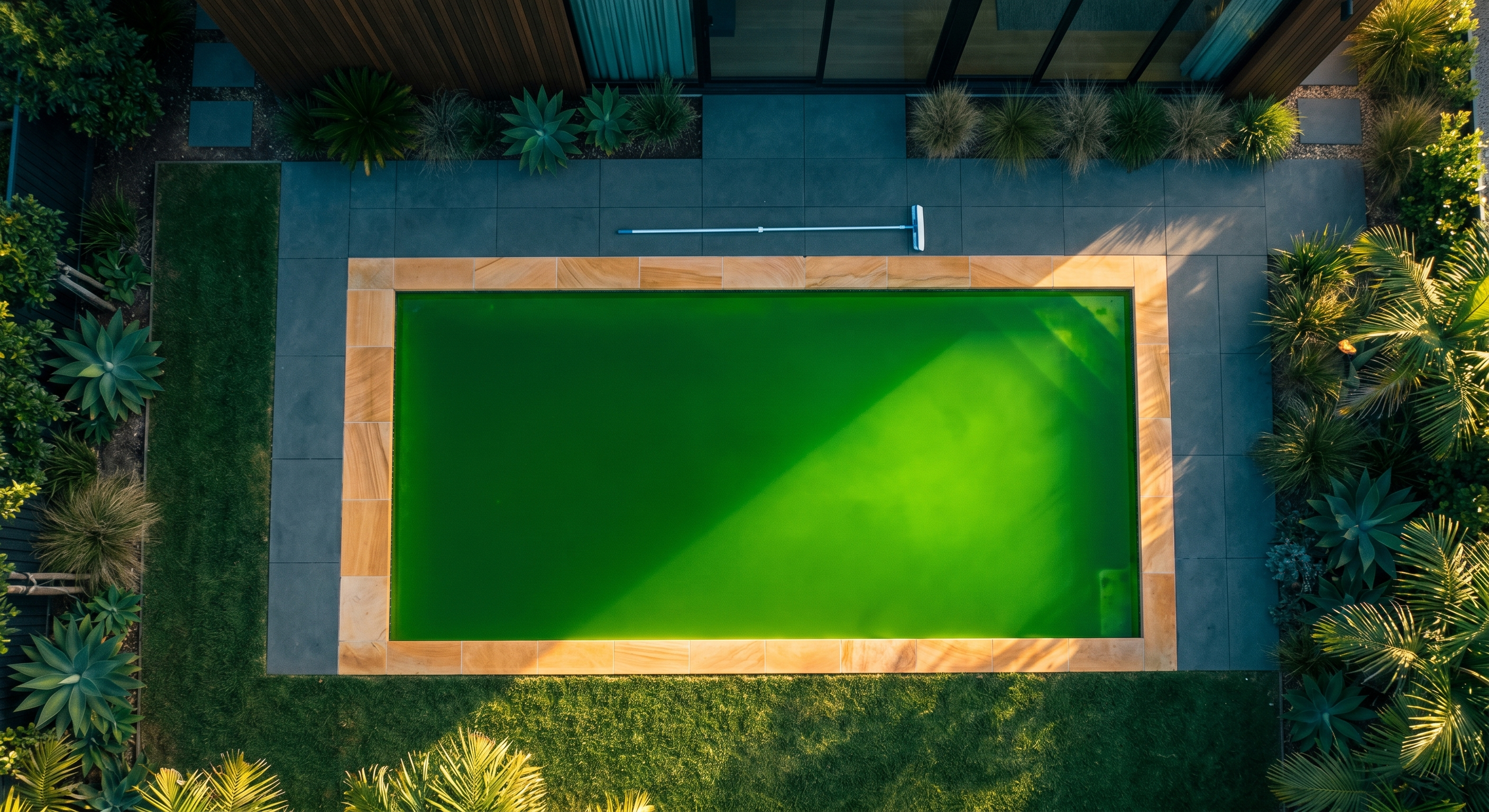
How to Fix a Green Pool: The SLAM Method
Your pool turned green. Here is how to fix it — diagnose the severity by color, use the SLAM process to kill algae, and get your water crystal clear again. Includes chlorine dosing by CYA level.
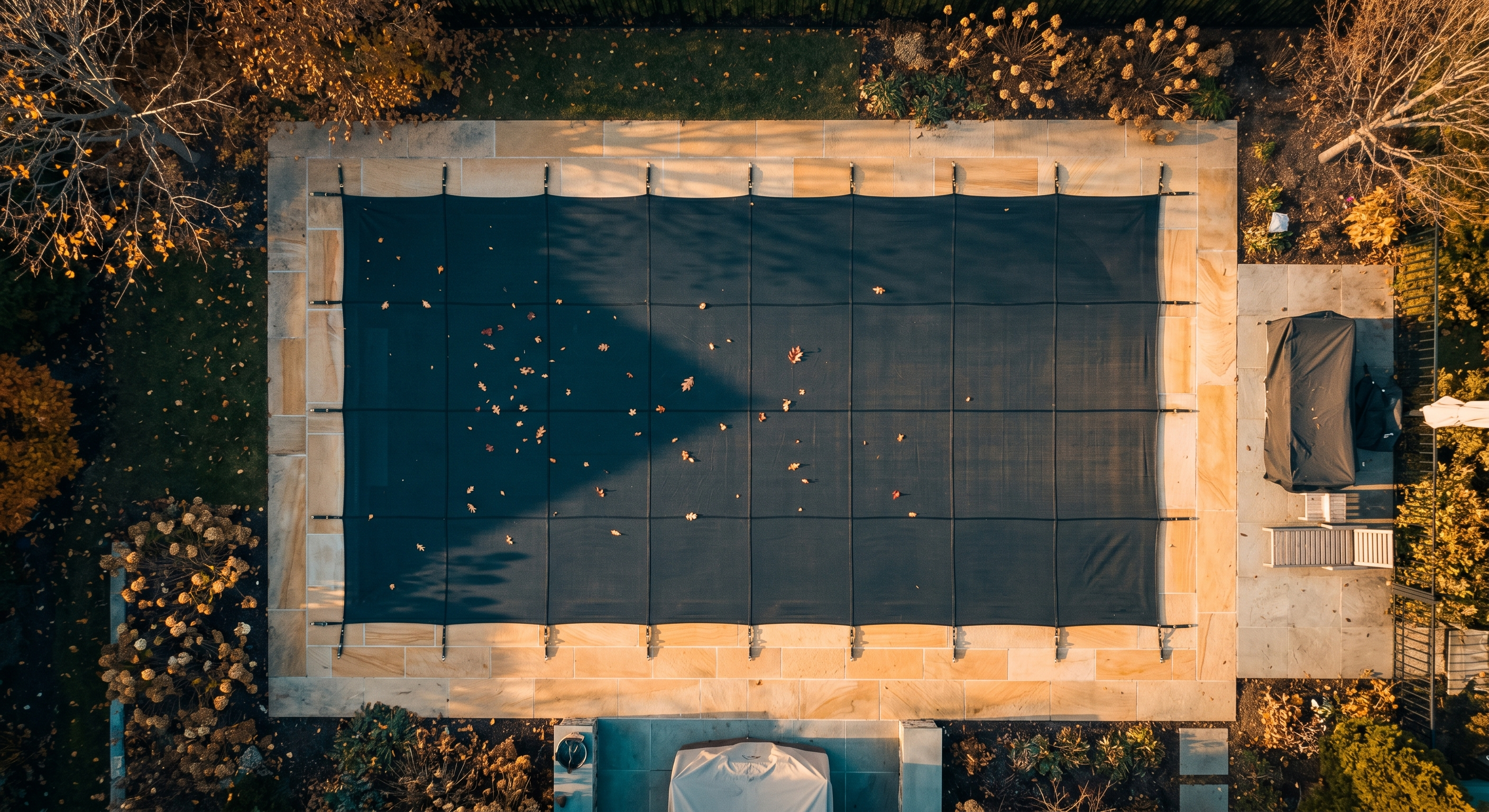
Pool Closing Checklist: How to Winterize Your Pool
Complete guide to winterizing your pool. Step-by-step instructions for balancing water, shocking, lowering the water level, blowing out lines, adding antifreeze, and installing the winter cover.
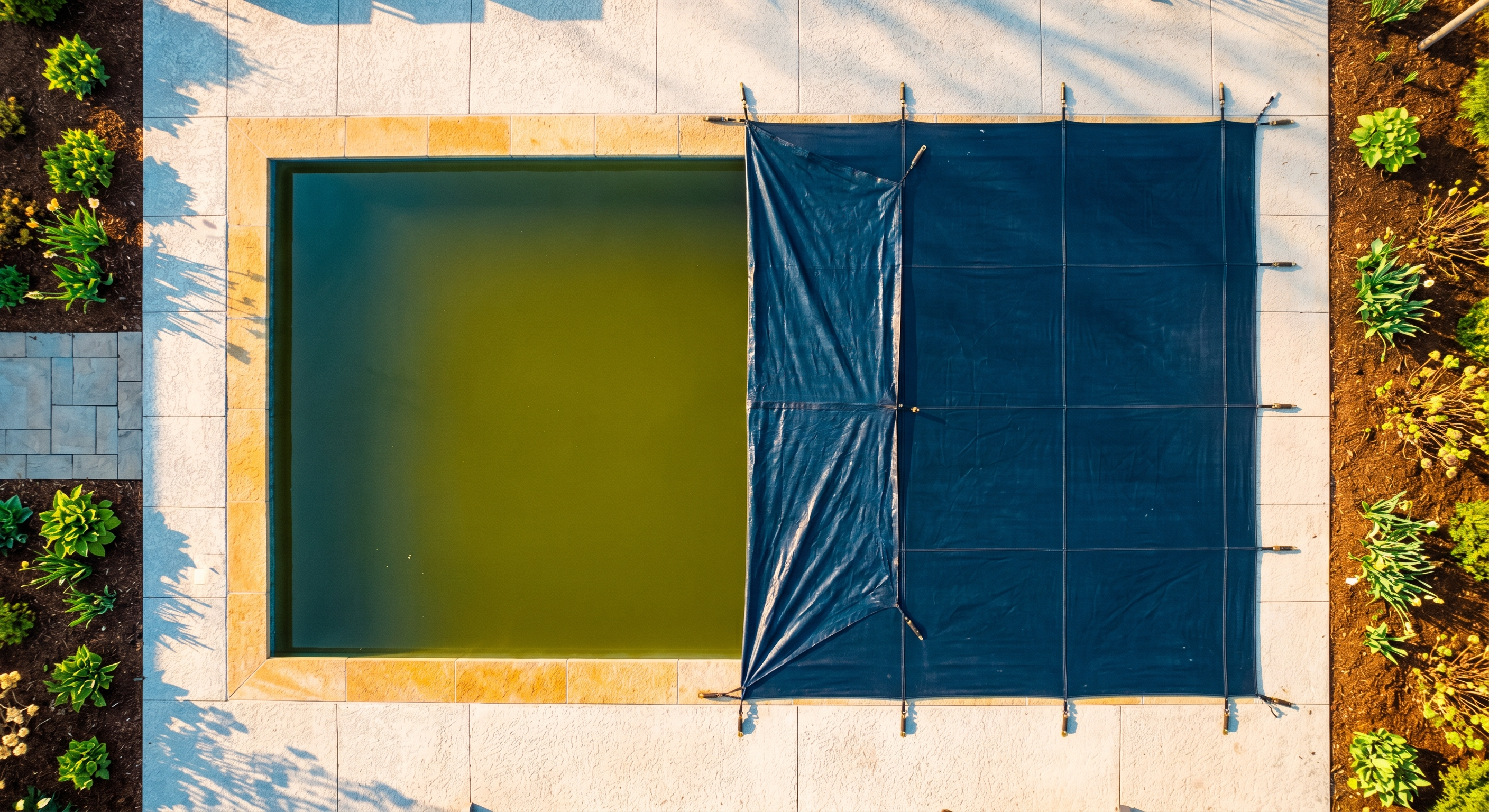
Pool Opening Checklist: Complete Spring Startup Guide
Step-by-step guide to opening your pool in spring. Covers removing the cover, inspecting equipment, priming the pump, testing water, shocking, and balancing for any climate.
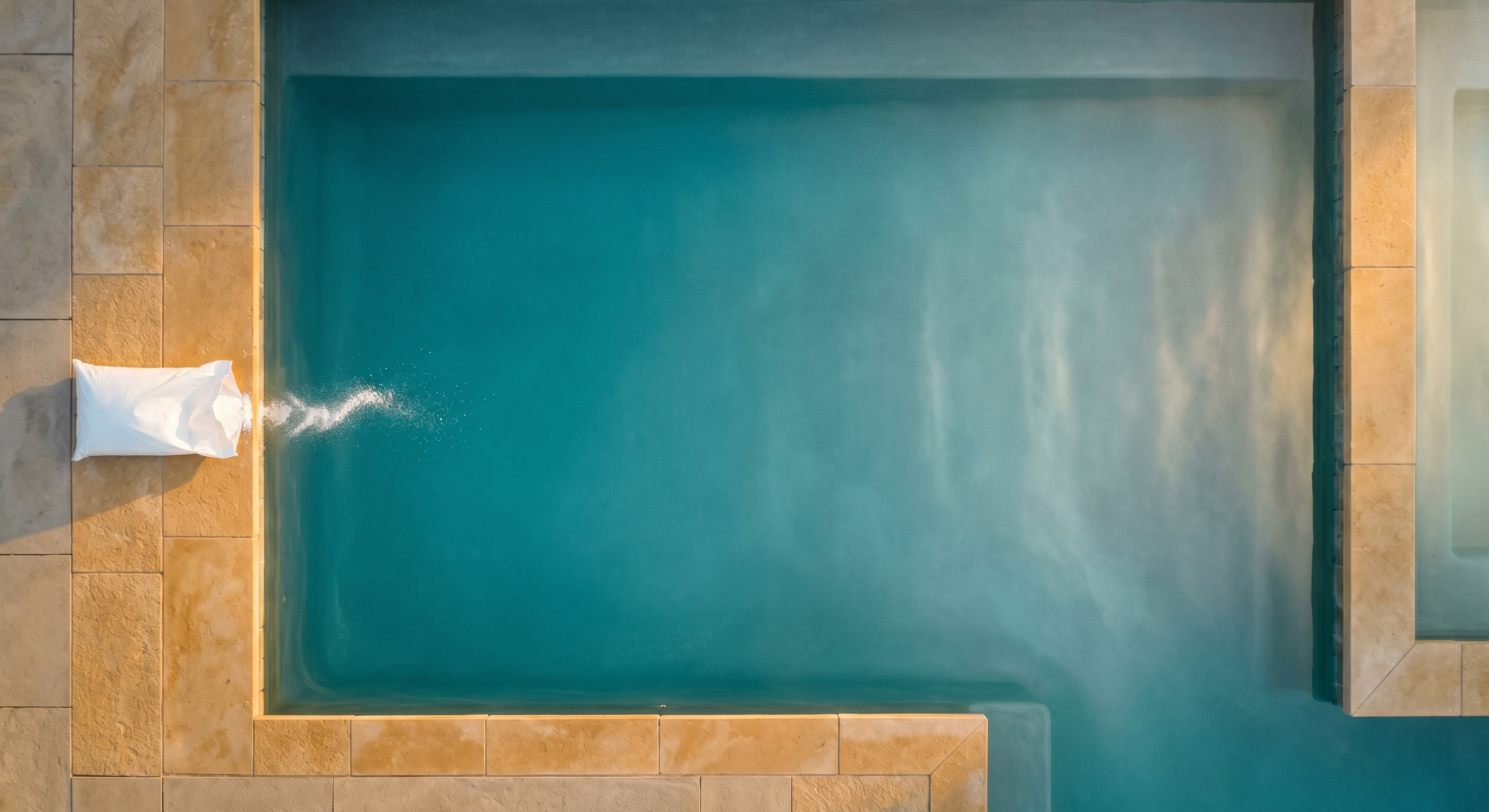
Saltwater Pool Guide: How Much Salt, SWG Maintenance, and Common Myths
Complete guide to saltwater pool care. Learn how salt chlorine generators work, how much salt to add, the ideal salt level, SWG maintenance, and the truth behind common saltwater pool myths.